Inner Child Therapy
You may have come across the concept of inner child therapy. The inner child represents fragments of our memories, feelings, and emotions from our early experiences. This concept was first proposed by psychologist Carl Jung, who examined his own childlike inner feelings and emotions. Jung postulated that this inner part of us influences everything we do and the decisions we make.
Our inner children are the parts of us that never grew up. They hold all the memories and emotions, both good and bad, that we experienced in our formative years. These messages were absorbed when we were helpless and dependent on our caregivers.
Unfortunately, these inner children also absorb the negative and harmful words and actions of those who were supposed to keep us safe. Once wounded, these inner children negatively influence who we are as adults, holding enormous power over our relationships and decisions.
Understanding and healing our inner child is a profound journey. It allows us to reclaim our wholeness, transform our pain into strength, and create a more loving and authentic connection with ourselves and others.

The unsafe messages children receive
All children deserve to feel safe—safe from harm, fear, and lack. Safety encompasses not only physical security but also emotional and spiritual well-being. When children feel safe within their families, their boundaries are respected, and their needs are met, allowing them to feel secure.
Childhood trauma, where a child’s needs are not met, destroys their sense of safety, causing them to become hypervigilant and scared. In adulthood, these inner children never go away, and neither do their feelings of being unsafe or believing the world is a horrible and dangerous place. When a child feels continually endangered, a massive gaping wound opens in their psyche that is so painful many adults unknowingly repress it (Kneisl, 1991).
Words can hurt as severely as actions, with some signals given to children leaving deep scars that can last a lifetime. Some statements and actions by parents that leave open wounds include:
- Not allowing a child to have their own opinions
- Discouraging them from playing or having fun
- Not allowing them to display strong emotions
- Punishing them for speaking up
- Continuously shaming by caregivers
- Not allowing spontaneity
- Not giving appropriate hugs, kisses, or cuddles
Children who do not receive emotional and physical support grow up to be hurting adults. Recognizing and addressing these wounds is crucial for healing and for creating a world where all children feel safe, loved, and valued.
Signs you have a wounded inner child
The first step in healing your inner child is to acknowledge its presence and recognize that it is wounded. The harm done to your inner child is directly correlated with the ways you feel unsafe in the world. Below are some signals that indicate you have a wounded inner child:
- A deep feeling that there is something wrong with you
- Being a people-pleaser
- Being a rebel and feeling alive when in conflict with someone else
- Being a hoarder
- Not being able to let go of possessions and people
- Experiencing anxiety with something new
- Feeling guilty for setting boundaries
- Driven to be a super-achiever
- Being rigid and a perfectionist
- Having problems starting and finishing tasks
- Exhibiting constant self-criticism
- Feeling ashamed of expressing emotions
- Feeling ashamed of your body
- Having a deep distrust of others
- Avoiding conflict at all costs
- A fear of abandonment
If you recognize yourself in many (not necessarily all) of the above items, there is a high chance that you have a wounded inner child. Healing begins with this recognition and taking compassionate steps to nurture and support that inner part of you.
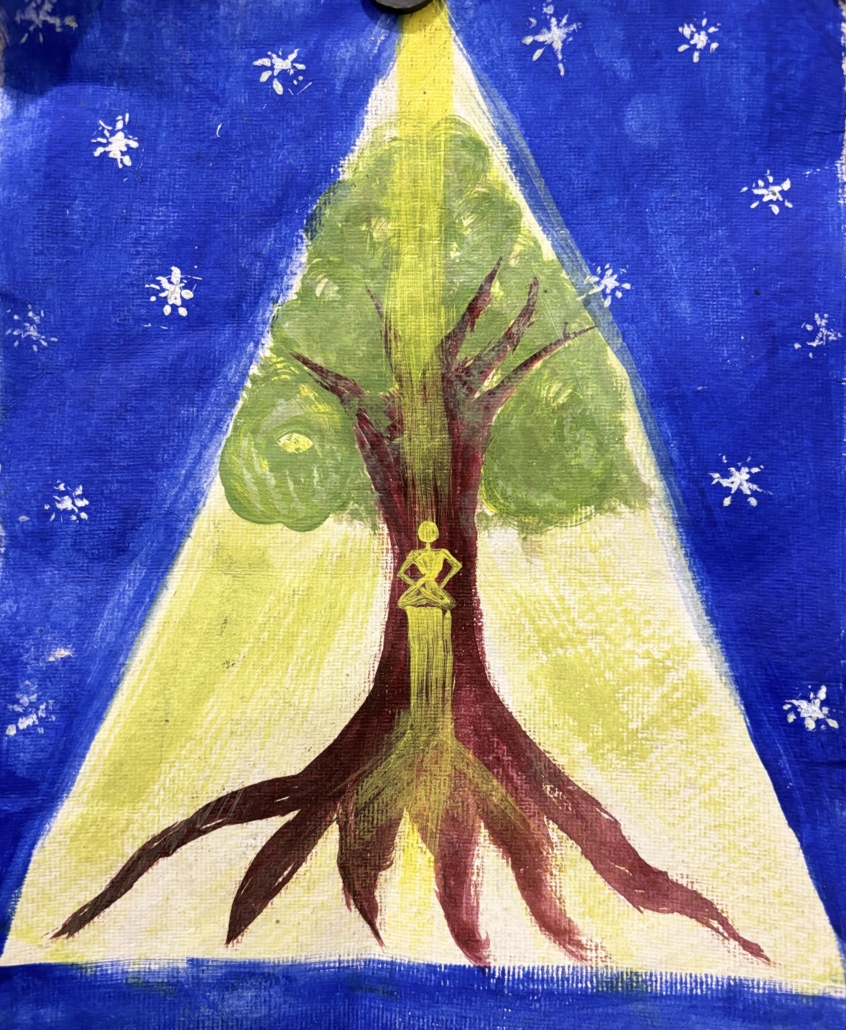

The influence of the Inner Child in all of us
The inner children that live within the human psyche directly influence all that we do. Adults are covertly controlled by their unconscious inner child, leaving a child in charge of their lives. When wounded, these little ones are full of anger, shame, and sometimes rage because of the maltreatment they endured. Inner children are the lens through which injured adults make their decisions.
Can you imagine your own children or a child you see on the street trying to make sense of adult relationships or make career decisions? Predictably, such attempts could only end in disaster. However, this is what happens every day in the lives of people who have a wounded inner child.
These small, lost, and lonely parts of ourselves are afraid, anxious, and insecure, making our lives miserable. However, there is hope. Inner child work, including self-parenting, can ease the pain and heal the wounds left by caregivers who were abusive and toxic.
“She held herself until the sobs of the child inside subsided entirely. ‘I love you,’ she told herself. ‘It will all be okay.’” ~ H. Raven Rose
“Your pain needs to be recognized and acknowledged. It needs to be acknowledged and then released. Avoiding pain is the same as denying it.” ~ Yong Kang Chan
How it works
If any of these resonate with you, it might be time to connect with your inner child through guided meditation or with the help of a therapist. Your inner child is sensitive and needs proper care. Acknowledging and reconnecting with this part of yourself can help you feel complete and powerful.
The inner child represents a survival strategy for coping with childhood chaos, but this strategy often becomes the source of adult struggles. This concept, explored in various therapies, shows that we have multiple inner children, each with different perspectives and worldviews. These time-frozen parts influence how we react to the present, often causing us to relive the past.
To heal, we must address and integrate these inner children, freeing ourselves from their hold. By doing so, we can live more fully in the present, without the weight of past traumas. As Dr. Albert Ellis said, “the child tells itself that certain bad events must not occur… which keeps recreating them… the child traumatizes itself.” Recognizing and working with these inner parts can lead to profound healing and a more authentic, empowered life.